DAUIT company · dautechhub.com
Software that holds up under real work.
DAU Technology designs, builds and maintains software, web applications and cloud systems — engineered to be understood, tested and operated with confidence.
Fig. 01 — Infrastructure
01Company
An engineering partner for systems that matter to your business.
DAU Technology works on the software behind day-to-day operations: the applications people use, the services that connect them, and the infrastructure they run on. The focus is on clear requirements, sound architecture and code that remains maintainable after handover.
02Core capabilities
Six disciplines, one way of working.
01
Software
Purpose-built applications shaped around real business processes.
02
Web
Browser-based products with fast interfaces and maintainable code.
03
Cloud
Infrastructure designed for predictable deployment and operation.
04
Integration
APIs and data flows that let separate systems work as one.
05
Automation
Removing repetitive manual work from everyday operations.
06
Quality
Testing and review built into the work, not added at the end.
03Software engineering
Custom software, built around how you actually operate.
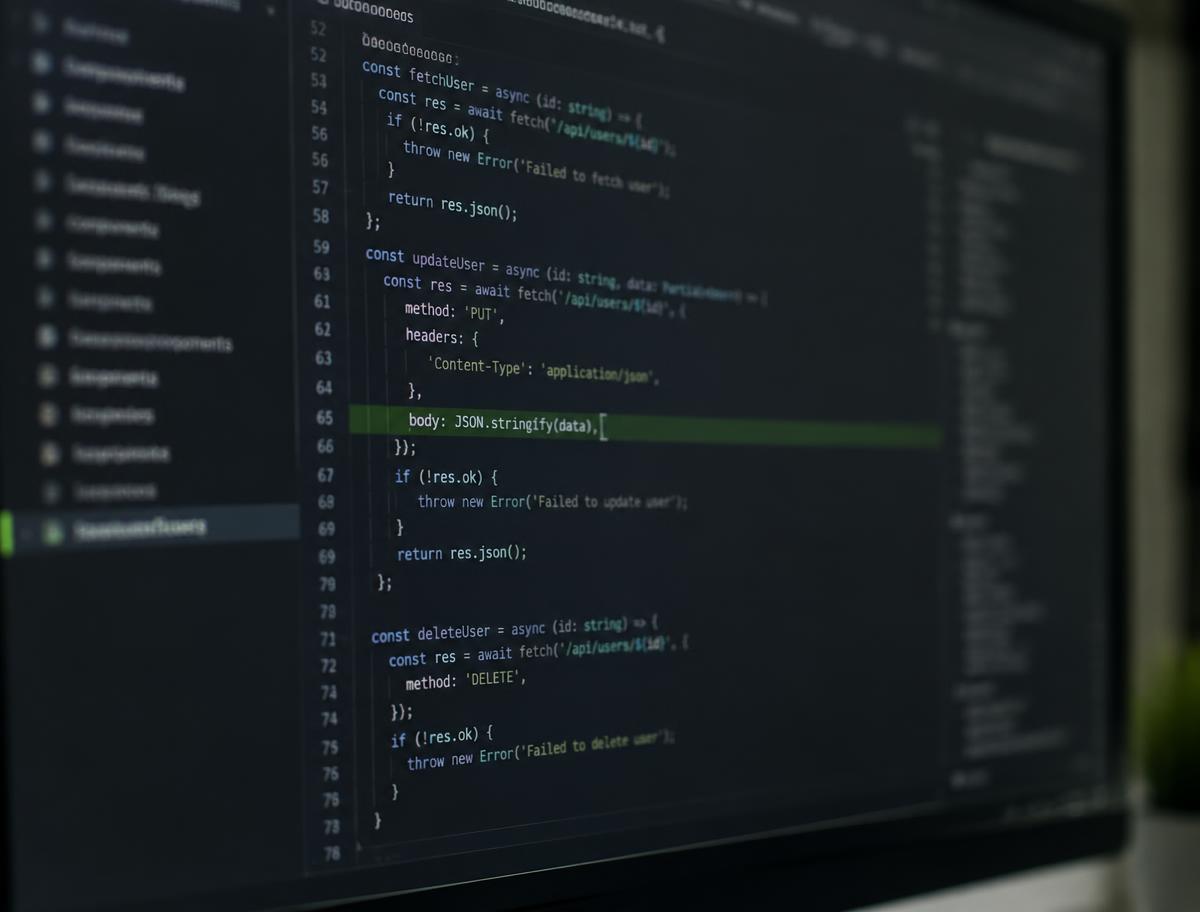
Off-the-shelf tools fit most needs until they don't. Custom software closes that gap — modelling your processes, data and rules directly, without workarounds.
- →Domain modelling and architecture
- →Backend services and data design
- →Code review and documentation as standard
04Web applications
Fast. Accessible. Maintainable.
Interfaces
Responsive layouts that work on phones, tablets and desktops, built on accessible patterns.
Performance
Server rendering, sensible caching and lean assets so pages load quickly.
Architecture
Clear separation between interface, business logic and data access.
Longevity
Typed code, tests and conventions that make future changes safer.
05Cloud architecture
Infrastructure you can reason about.
Environments are defined as code, deployments are repeatable, and costs and capacity are visible. The goal is infrastructure that is predictable to run and straightforward to change.
- Provision
- Infrastructure as code
- Deploy
- Automated pipelines
- Observe
- Logs, metrics, alerts
- Recover
- Backups and rollback
06Integration & automation
Systems that talk to each other — so people don't have to copy data between them.
● CRM ⇄ Billing ⇄ Accounting
● Storefront ⇄ Inventory ⇄ Shipping
● Forms ⇄ Database ⇄ Notifications
APIs, webhooks and scheduled jobs are designed with error handling, retries and logging, so failures are visible and recoverable.
07Quality assurance
Reliability is designed in.
- 1
Unit and integration tests
Cover business rules and the boundaries between components.
- 2
End-to-end checks
Exercise key user journeys in a realistic environment.
- 3
Review before merge
Every change is read by another engineer before it ships.
- 4
Monitoring after release
Errors and performance are tracked once software is live.
08Security-conscious engineering
Security as a habit, not a phase.
Least privilege
Access is limited to what each person and service needs.
Secrets handling
Credentials stay out of source code and are stored securely.
Dependency hygiene
Libraries are kept current and reviewed for known issues.
Input validation
Data is validated at every boundary it crosses.
09Development process
From question to running system.
STEP 01
Discover
Clarify goals, users, constraints and the systems already in place.
STEP 02
Define
Agree on scope, architecture and the order in which work is delivered.
STEP 03
Build
Develop in short increments with code review and automated checks.
STEP 04
Verify
Test against agreed criteria in environments close to production.
STEP 05
Release
Deploy with documented steps, monitoring and a rollback path.
STEP 06
Sustain
Maintain, observe and improve the system after launch.
10Technology expertise
Tools chosen for the job.
Languages
- TypeScript
- JavaScript
- Python
- Go
- SQL
Frontend
- React
- Next-generation SSR frameworks
- Tailwind CSS
- Accessible UI patterns
Backend
- Node.js
- REST & GraphQL APIs
- PostgreSQL
- Message queues
Infrastructure
- Containers
- CI/CD pipelines
- Infrastructure as code
- Observability tooling
11Industries & needs
Where this work fits.

Operations-heavy businesses
Internal tools that replace spreadsheets and email chains.
Digital products
Customer-facing web applications that need to scale with demand.
Service companies
Booking, scheduling and client portals connected to existing systems.
Commerce
Catalogue, order and inventory flows integrated across platforms.
Data-driven teams
Pipelines and dashboards that turn scattered data into usable reports.
Growing organisations
Legacy systems that need careful modernisation without disruption.
12Questions
Frequently asked.
- What kind of projects does DAU Technology take on?
- Custom software, web applications, cloud setup, API integration, workflow automation, quality assurance and ongoing maintenance — either as new builds or as work on existing systems.
- Can you work on an existing codebase?
- Yes. Work on an existing system starts with a review of its code, infrastructure and documentation so that changes are made with a clear understanding of current behaviour.
- How is scope agreed?
- Scope is defined together at the start in writing: goals, deliverables, assumptions and acceptance criteria. Changes during the project are discussed and recorded before they are implemented.
- Who owns the code that is produced?
- Ownership and licensing terms are set out in the agreement for each project before work begins.
- How do we get in touch?
- By email at [email protected]. A short description of the problem, the systems involved and any timing constraints is a good starting point.